Saturday, March 27, 2010

Ideas on How to Get Rid of Fleas in the Yard


Overview

While adult fleas prefer to spend quality time directly embedded on your animal, flea eggs, larvae and pupae are usually found everywhere else. This means that for every flea you find on your pet, there are likely to be hundreds of eggs and larvae around your home and yard. Most people use a variety of toxic sprays to remove fleas from the yard, all of which require you to use a garden hose and a hose end sprayer. Depending on the product you select, the process generally takes anywhere from 1 to 2 weeks.

Tackle Warm, Shady Areas

Fleas prefer areas that are moist, warm and shady--which probably not coincidentally is where a pet is likely to hang out on a warm summer day. Be sure to thoroughly spray these areas, but read the directions carefully to avoid spraying in areas located near where runoff can filter into lakes, ponds or creeks and contaminate the water.

Remove Organic Debris

Fleas are naturally attracted to areas near organic debris. This includes composting areas, or places where grass cuttings and leaves are piled to gently decompose. Rake and bag any organic debris of this type, and follow up with your flea spray. Raking will disturb the flea's habitat and allow your product to penetrate and hopefully kill the fleas.

Target Areas in Your Yard Where your Pet Spends Most of Her Time

Fleas will also naturally congregate and lay eggs near where your pet spends most of her outdoor time. Depending on the weather, your pet may naturally gravitate to a deck or patio, a dog house, or even under a porch. Be sure to concentrate your spraying in these areas to maximize your chances for removing fleas from your yard.

Stages of Puppy Teeth


Newborn Teeth

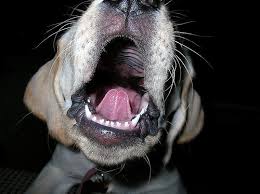
Puppies are initially born without teeth. They do not receive their first puppy teeth until they reach the age of between six and eight weeks old. They grow a total of 28 teeth, which are known as baby teeth or deciduous teeth. The first teeth that fall out are the incisor teeth, followed by the premolars and the canines. Puppies do not have molar teeth, only premolars. Their upper and lower canine teeth are at the back of their mouths and are larger. Their upper and lower incisor teeth are located in the middle.

Teething

For puppies, the teething process continues for several months, off and on. For a puppy, this can be an uncomfortable and painful period. When puppies are teething, they increase their biting and chewing and test out different objects and texture to relieve the discomfort.

Losing Teeth

Between the ages of three months and seven months, a puppy begins to lose its deciduous teeth. Each deciduous tooth root will generally be absorbed by the adult tooth, though there are instances where this does not properly occur. At three months, the incisors begin to fall out to make room for the new adult teeth. At the age of four months, the adult molars and adult canines are beginning to come in. Between the ages of six and seven months, the adult molars will come in. Finally, by seven to eight months, the full set of adult teeth should have come in.

Considerations

By the time a puppy is eight months old, it should have a full set of a total of 42 teeth, but some breeds have more or fewer. The larger the dog, generally speaking, the faster the teeth will appear. Doberman pinchers are an example of dogs that have fewer teeth. Spaniels and greyhounds tend to have more teeth. At the age of between three months and four months, a puppy should be checked out by a veterinarian to make sure that there are no bite problems. If bad bite is occurring as a result of puppy teeth, pulling the baby teeth prematurely may be necessary.

What Bones are Safe to Give to a Dog?


Overview

Owners have fed their dogs bones for years and delighted in seeing how their pets seemed to enjoy their treats. However, questions have recently arisen over whether raw bones are safe or if dogs need bones at all.

Significance

If the dog chews off large chunks of bone, swallows them and has to have surgery, it can cost the owner hundreds of dollars in veterinary bills.

Types

Proponents of the BARF (Biologically Appropriate Raw Food, or Bones and Raw Food) diet believe a dog can have raw beef bones. Some veterinarians say a dog should have no animal bones, but allow for synthetic bones made of rubber, nylon or rawhide.

Considerations

According to Dr. William Fortney with the College of Veterinary Medicine at the University of Kansas in Manhattan, the owner should consider whether his dog is a chewer or a large chunk swallower.

Misconceptions

An owner may think a raw bone gives her dog some nutrition, but the bone itself and the collagen in the bone cannot be digested, according to experts at petcenter.com. Dogs do not require bones for good dental health either.

Warning

Bones from poultry can splinter and lodge in a dog's throat or cause internal tearing in the digestive tract. Pork chop bones have sharp ends which can do the same thing. Round steak bones can accidentally slip over a dog's lower eye teeth.

How to Make Organic Flea Dog Shampoo?


Overview

Bathing your dog with a chemical-laden flea shampoo may get rid of fleas but may not be the healthiest option for your dog or your household. Pet shops now sell high-end organic flea shampoos infused with essential oils, but that might not be the best option for your pocketbook. However, you can combine affordability with health by mixing up your own organic flea shampoo, which will repel fleas while leaving your dog smelling fresh.

Step 1

Bring 2 cups of distilled water to a boil. If you have no distilled water, you can use filtered water, but the shampoo won't clean as well as if you use distilled water.

Step 2

Put 1 ½ tbsp. of dried soapwort root to the water. If the soapwort you are using is whole, chop it. This will help the soapwort release its cleansing compounds into the water.

Step 3

Turn down the heat to simmer and cover the pot. Let it simmer for 20 minutes, then take it off the stove and let it cool to room temperature, which should take about an hour.

Step 4

Pour the mixture through muslin and into a jar to remove the soapwort. Discard the soapwort and retain the liquid, which is your organic flea shampoo base.

Step 5

Select organic essential oils to add to the shampoo that have natural flea-fighting properties, such as cedar, citronella, citrus, eucalyptus, lavender, lemongrass, mint or rosemary essential oils. You can add a single type of essential oil to the shampoo or you can blend them. Either approach works well for flea control.

Step 6

Mix 20 drops of essential oils total into the flea shampoo base. Place the lid on the shampoo jar and shake it to combine the oil with the shampoo. Refrigerate it until you need it. It will last about two weeks in the refrigerator.

How to Potty Train a Puppy Using Vinegar Water?


Overview

Potty training a puppy with vinegar water can make training more effective. After your puppy has an accident in the house, he may return to the same spot to potty. Even if you clean the spot with regular soap, the dog may still smell his scent unless you also neutralize the odor. White vinegar is a chemical-free way to disinfect and neutralize the odor of urine and feces. Use a mixture of vinegar and water to house train your puppy.

Step 1

Prepare a mixture of 50 percent white vinegar and 50 percent water. Stir the ingredients to mix thoroughly. Pour the mixture in a spray bottle. Keep the bottle on hand during training.

Step 2

Spray the vinegar mixture lightly on carpeted areas in your house. Only spray a light mist on the carpet. Do not soak it or apply as much as needed during a cleanup. The vinegar odor acts as a deterrent to help prevent the puppy from urinating and defecating on the carpet.

Step 3

Allow the puppy to sniff the vinegar scent. Gently place her nose on an area sprayed with vinegar water. Do not rub her nose in it, because that will scare her.

Step 4

Take your puppy outside to potty frequently during the day to prevent accidents. Puppies have small bladders and may need to go out as many as six to eight times a day during training. Give the puppy an opportunity to potty outside after waking, before bed and after drinking water or eating food.

Step 5

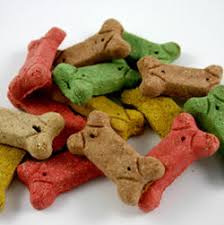
Present the puppy with a dog treat after he potties outside and whenever he avoids making messes in the house. Rewards provide positive reinforcement.

Step 6

Clean up any household pet messes immediately. Use a cleaning cloth to soak up excess urine. Pick up feces with a paper towel, and throw it away. Spray the affected area with a generous amount of the vinegar water mixture until it is saturated. Scrub the mess clean with a fresh cleaning cloth. The vinegar will both disinfect the area and neutralize the odor.

Step 7

Soak a cleaning cloth with the vinegar mixture, and allow it to sit on tough spots for 10 minutes. After 10 minutes, rub the debris away with the cloth.

Step 8

Dry the area with a towel. The towel will completely dry hard surfaces, such as linoleum, tile or wood. However, carpet needs to dry overnight. Avoid walking on the spot until it is completely dry. You can also use a blow dryer to speed up drying.

Pet Health Insurance


A major consideration one must keep in mind when deciding to bring home a pet is whether or not one can afford to pay for the care of that pet. Pets, especially dogs, can be quite expensive when it comes to day to day care; but what about the event of an accident or severe illness? If you don’t want to risk breaking the bank to maintain the health and wellbeing of your beloved pooch, you should consider purchasing pet insurance.

According to the American Veterinary Medical Association, Americans spent 24.5 billion dollars on pet health care in 2006. Furthermore, with the impressive advancements in veterinary science, there exist much more advanced procedures, which can cost upwards of $5000. Clearly, we care dearly for our pets, and many are willing to pay huge amounts of money to save an ill pet. However, companion animals are euthanized or allowed to suffer every day because their owners simply cannot afford the care they need. Pet insurance offsets these exorbitant costs so you can keep your furry friend around for years to come.

Many are not aware of the existence, let alone the benefits of pet insurance; but it may surprise the reader to learn that the first pet insurance policy was offered in 1982. Through the almost three decades that pet insurance has been available to the public, many different providers have found their way into the market, each offering different levels of service, costs, benefits, and perks.

To choose which pet insurance company is right for you and your pets, you should shop around and consider what sort of coverage you are looking for. Different companies have different philosophies regarding coverage.

Some companies cover routine vet care. This includes annual exams, heartworm detection and treatment, vaccinations, teeth cleanings, general health screenings, prescriptions, spay and neuter procedures, and flea control. Some companies even cover professional consultations, deworming, fecal tests and pet identification microchips. Other companies believe it saves the consumer money in the long run to not offer coverage for routine care, the sort of care for which one can plan with relatively low and consistent costs. These companies claim that they can keep premiums lower by only offering coverage for the sort of incidents and illness for which the owner cannot plan, and therefore will not necessarily have the available funds.

Most plans offer major medical coverage. This usually includes accidents, serious illnesses, MRI CAT scans, X-rays, surgeries, hospitalization, foreign object removal, and snake bites. Most companies do not offer coverage for elective procedures, cosmetic procedures, pet food, grooming, behavior issues, congenital diseases and conditions, hereditary conditions and diseases, and pre-existing conditions.

One can sidestep the lack of coverage for pre-existing conditions by purchasing pet insurance as soon as a new puppy is purchased, before such conditions manifest themselves. There are companies that cover congenital and hereditary conditions, but they are few and far between, so one must shop around.

There are other issues one should consider when choosing a provider as well. Many providers will allow you to receive care from the vet of your choosing, while others require that you choose a vet within their network. This is an important question to ask before signing up with a company, especially if you already have a trusted family vet. You should also ask if your policy would cover specialist care, in the event of an eye injury or other comparable condition that requires the care of a specialist. Not all companies offer this coverage.

Consider deductibles as well when you are choosing an insurance company. Different companies offer different deductibles, some being significantly higher than others. Some companies even allow you to adjust your deductable to lower your monthly payments

The peace of mind offered by pet insurance is priceless. When your pet is injured or seriously ill, the last thing you want to think about is money; that is the time to focus on supporting and comforting your beloved pet.

Be a Good Dog Neighbor


Robert Frost wrote that “good fences make good neighbors.” It is equally true that good dog owners make good neighbors. Neighborly relationships are ruined every day by unconscientious dog owners, and poorly trained dogs. But, if you take the right measures, you can have your dog and your friendly neighbors too, whether you have good fences or not.


Barking

One of the biggest issues people have with their dog-owning neighbors is excessive barking. The best way to keep your dog from barking and infuriating your neighbors is to keep him inside when you’re not available to supervise.

This doesn’t just benefit your neighbors. Dogs left alone in the yard can escape and get in to all sorts of trouble. They are also left open to teasing by other animals, neighborhood kids, and mean neighbors. But as far as the excessive barking, you have no way to control the behavior, or correct it if you aren’t around to witness it. If you leave your dog outside all day while you are at work, you have no way of knowing if he is disturbing your neighbors, so it is best to leave him inside. If he is not well behaved enough to be trusted in the house, crate training is a wonderful and safe option.

You can also take measures to limit your dog’s barking in general. Come up with a “be quiet” command like “hush,” or “enough.” When your dog barks, say “hush” and “sit.” If he sits and stops barking, give him a treat. Tell him to hush every single time he barks, and give him a treat every time he sits and stops, and he will learn that hush not only means that he must stop barking, but also that he is going to be rewarded.

Teaching a place command can help as well. Place is a target exercise that cues your dog to go to a specific location and hold a down stay. You can use this as an alternate behavior to excessive barking. Read the article on Teaching Place to learn the steps to shaping this behavior.


Pick Up the Poo

Another issue people have with their dog-owner neighbors is dog waste. It is unpleasant, smelly, and a huge pain if you step in it. It also spreads disease. Dog waste left out can seep into the ground water or flow into streams and make people and other animals sick.

Police your yard regularly for doggy piles. There are many affordable pooper scoopers available, so the fact that dog waste is gross and you don’t want to touch it is no excuse. Also, always, always, pick up after your dog when you are on a walk or at the dog park. Not doing so is unsanitary and intolerably rude. There are lots of small, handy carriers for biodegradable bags, some of which even attach to your dog’s leash for superior convenience. Never leave the house to walk your dog without some baggies to pick up after him.


No Roaming

No matter how good your dog is about wandering around the neighborhood and always coming home, you should not allow this behavior. Dogs who are allowed to roam often lead a sort of double life. Much like a flock of neighborhood kids, roaming dogs will hang out together and form a pack. A perfectly mellow and non destructive dog can wreak havoc when grouped with a bunch of other dogs. They can tear apart garbage cans, chase children, or tease or injure other animals.

Roaming dogs also face the danger of being hit by cars, being stolen, being picked up by Animal Control, or being injured by another animal or person in the neighborhood. People can be cruel, and as hard as it is to understand, there are lots of people out there who just hate animals; you don’t want your dog to be at the mercy of these kinds of people.

When your dog is not in your home or yard, he should be with you, and always on a leash. You have zero control of a dog not on a leash, no matter how well trained he is. The best way to avoid disaster is to leash your dog.


Dog Park Manners

Do not let your dog off his leash until he is in the dog park, and always pick up after him. Dog parks are shut down all the time because of lazy owners’ reluctance to clean up after their pooches.

Also, you must understand your dog’s behavior so you can anticipate trouble. Know your dog’s body language so you can tell if he is frightened or about to behave aggressively. If your dog is bullying other dogs, stop him immediately. The dog park is not a babysitting service; you must supervise your dog and be ready to diffuse any situations that may arise. If your dog is continually bullying, it’s time to go home. The dog park is there for everyone to enjoy, and a whole dog park’s good time can be ruined by one bully dog. If your dog is extremely dog-aggressive, do yourself and your neighbors a favor and keep him out of the dog park until this behavior has been reversed.


If you follow these tips, use your good judgment, and think about how you would like you and your dog to be treated, you can be a great dog neighbor. There’s no reason that dog people and non-dog people can’t get along and have fun, fulfilling neighborly relationships.